
Denver Restaurants: Why Local Sourcing is Key to Flavor, Community, and Sustainability
Denver restaurants are embracing local supply options to capture the freshest ingredients, champion nearby farmers, champion sustainability, and craft inspired seasonal menus that truly connect with guests. Diving into why these establishments prioritize regional sourcing reveals how they masterfully balance ingredient excellence, community impact, and operational resilience. In this guide, we’ll explore:
-
- The standout benefits local sourcing brings to Denver eateries
-
- How chefs and owners build farm partnerships and navigate the seasons
-
- The array of supply channels for produce, proteins, dairy, and drinks
-
- The vital role of Denver’s farm-to-table movement
-
- Common hurdles and smart strategies for consistency, cost, and staffing
-
- Sustainability wins, from shorter food miles to healthier ecosystems
-
- How diners perceive and value local sourcing, building trust and enhancing experiences
-
- Resources to forge connections with local farms and partners
-
- The exciting emerging trends shaping Denver's sourcing future
What Are the Top Benefits of Local Sourcing for Denver Restaurants?
For Denver restaurants, sourcing locally means bringing in ingredients from farms and producers right in our backyard. This guarantees exceptional quality while simultaneously boosting our regional economy and environmental health. By choosing local, restaurants elevate freshness, support local livelihoods, cut down on emissions, spark menu creativity, and build genuine trust with their patrons.How Does Local Sourcing Elevate Freshness and Ingredient Quality?
When you source locally, you get ingredients that have just been picked, harvested, or prepared. This means peak flavor, vibrant texture, and maximum nutritional value. Shorter travel times mean less spoilage and ingredients that stay crisp, colorful, and aromatic. Chefs can then use these superior ingredients to craft dishes that are consistently delicious and impressive.How Does Local Sourcing Bolster Denver’s Economy and Community?
Teaming up with Colorado farms and small-scale producers puts money directly back into local businesses, helps keep family farms thriving, and creates valuable agricultural jobs. When restaurants commit to buying from nearby suppliers, they help stabilize rural economies, strengthen local food systems, and foster community events like farm-to-table dinners and market pop-ups.These methods ensure a consistent and varied menu throughout the year.
Can You Share Real-Life Examples of Denver Restaurants Excelling at Local Sourcing?
Fruition Restaurant famously features Olathe corn and Palisade peaches on its summer menu, refreshing about 30% of its offerings annually. Mercantile Dining & Provision highlights stories from 15 different suppliers on its menu board, boosting diner engagement and social media buzz by 20% during harvest season.What Advice Do You Have for Restaurant Owners Starting with Local Ingredients in Denver?
-
- Review Your Current Buys – Pinpoint ingredients you use most that could be sourced locally.
-
- Connect with Suppliers Early – Visit farmers markets and schedule farm tours, especially in the off-season.
-
- Test with Seasonal Specials – Introduce limited-time dishes featuring a single farm to gauge customer interest.
-
- Create Inventory Flexibility – Negotiate for smaller order minimums and adaptable delivery times.
-
- Train Your Team on the Stories – Equip your servers to share the origins and benefits of your ingredients.
What Local Supply Options Are Available to Denver Restaurants?
Denver’s vibrant food scene offers a wealth of sourcing options for produce, proteins, dairy, and beverages, all aligned with our region’s commitment to sustainability.Where Can Denver Restaurants Find Local Produce and Visit Farmers Markets?
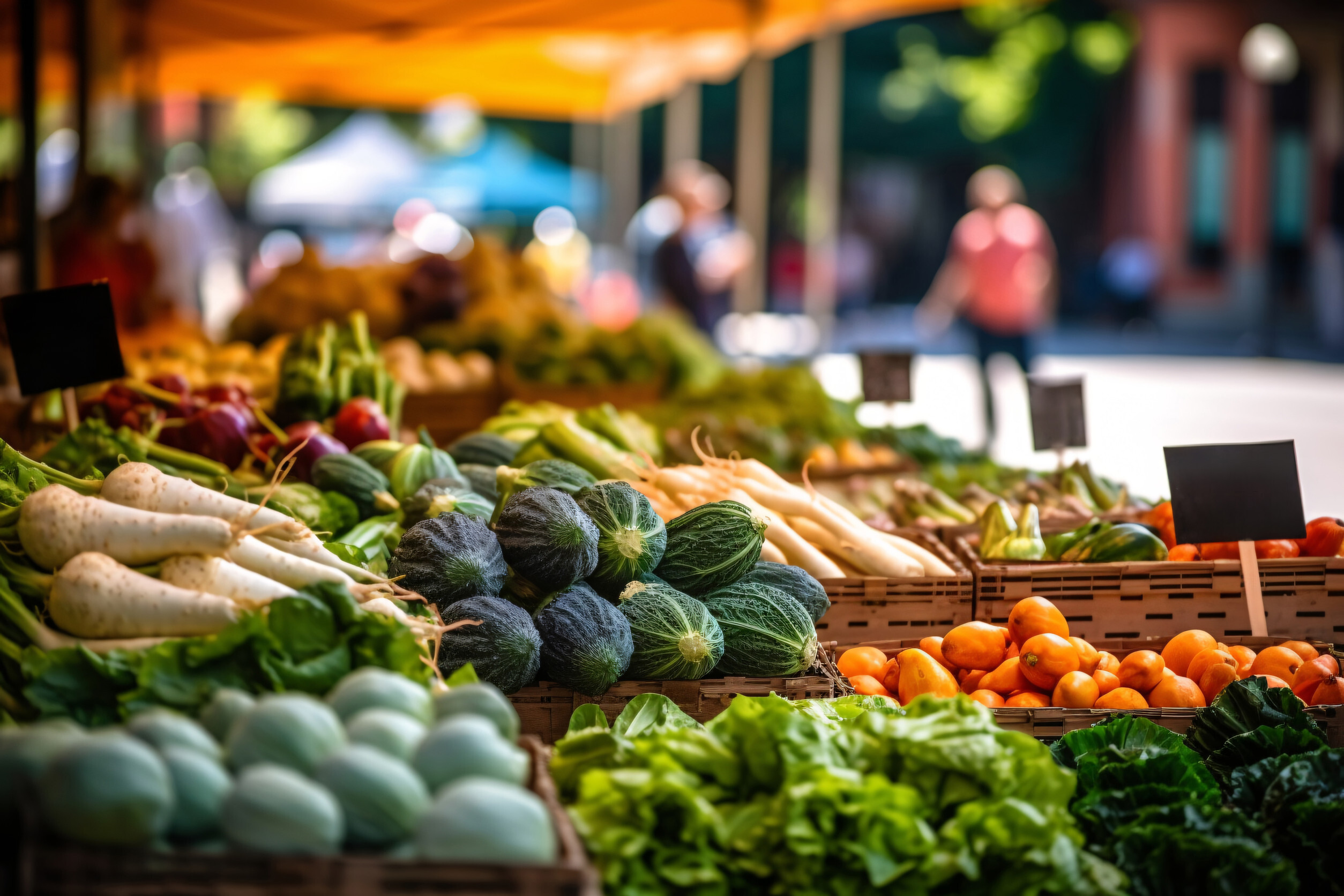
Farmers markets and direct farm deliveries are key channels. Don’t miss:-
- South Pearl Street Farmers Market – A weekly hub for a wide variety of vendors.
-
- Union Station Farmers Market – Conveniently located downtown, running spring through fall.
-
- Platte River Food Cooperative – Streamlines bulk ordering for multiple restaurants.
These resources make it easier to buy produce in larger quantities and plan your seasonal menus.
Which Local Producers Offer Meat, Dairy, and Specialty Foods to Denver Restaurants?
Restaurants often partner with:-
- High Plains Dairy for authentic raw milk cheeses.
-
- The Colorado Lamb Council network for responsibly raised lamb.
-
- Land to Market Certified Ranches for beef from regenerative farms.
-
- Local Bee Co. for local honey and ingredients for mead.
The Economic Impacts of Farm to School: Case Studies and Assessment Tools
A study led by Assistant Professor Becca Jablonski at Colorado State University found that local food purchasing programs, such as farm-to-school initiatives, positively impact local economies. The research indicates that farms participating in these programs tend to purchase more goods from their local economy, thereby contributing to regional economic growth and supporting local businesses.
This research directly supports the article's claims about local sourcing invigorating the regional economy and creating agricultural jobs, demonstrating the economic benefits of local food purchasing within Colorado.
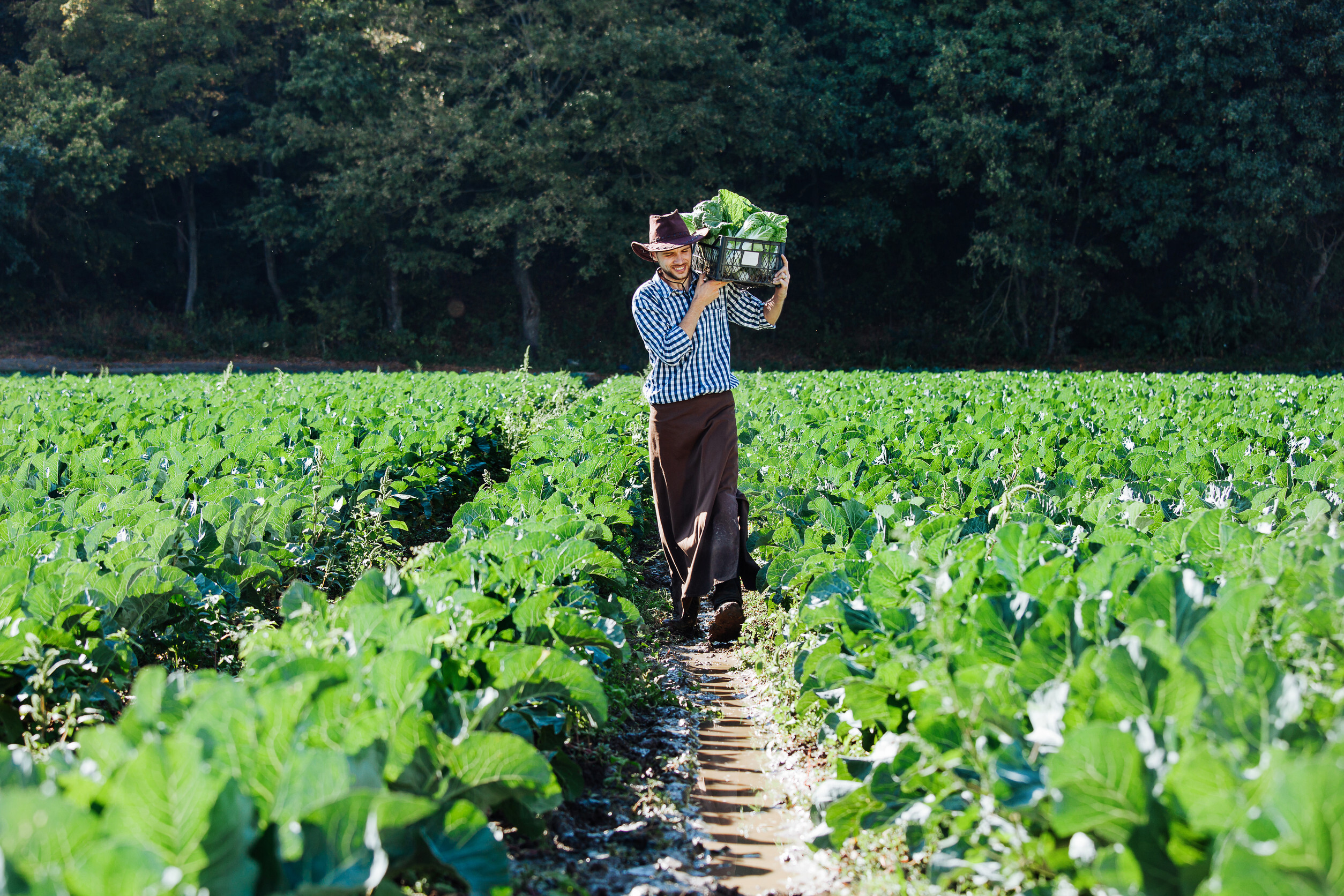
How Does Local Sourcing Champion Environmental Sustainability in Denver?
Why Are Seasonal Menus and Culinary Creativity So Important for Denver Restaurants?

How Does Transparency Build Stronger Bonds Between Denver Restaurants and Their Guests?
When restaurants are open about where their ingredients come from—whether through menu notes, features on suppliers, or sharing farm stories—they assure guests of the quality, ethical sourcing, and commitment to sustainability. These clear sourcing narratives build loyalty, encourage social sharing, and position restaurants as responsible caretakers of our local food system. A solid understanding of these benefits sets the stage for exploring how Denver chefs and owners put local sourcing into practice.How Do Denver Restaurants Put Local Sourcing into Action?
Successfully sourcing locally involves building solid relationships with farms, being flexible with menu planning, and creating a supply chain that smoothly integrates harvest times with kitchen operations.Which Denver Farms and Producers Are Top Choices for Restaurants?
Restaurants often build strong connections with:-
- Fruition Farms (for unique vegetables)
-
- Olathe Sweet Corn Co. (for seasonal corn)
-
- Colorado Lamb Producers (for pasture-raised lamb)
-
- High Plains Dairy (for handcrafted cheeses)
-
- Denver Urban Gardens growers (for fresh microgreens)
How Do Denver Restaurants Handle the Challenges of Seasonal Availability?
Chefs carefully study Colorado’s growing and harvesting seasons. They also build a diverse network of suppliers to bridge any gaps during off-peak times. Smart strategies include:-
- Preserving the Harvest – Techniques like canning, pickling, and fermenting capture the bounty of peak seasons.
-
- Smart Crop Planning – Coordinating restaurant orders with farms’ planting schedules ensures a steady supply.
-
- Sourcing from Nearby Regions – Supplementing local offerings with produce from neighboring states during transitional months.